COP31 Commences in Türkiye: Focus on Climate Action Implementation


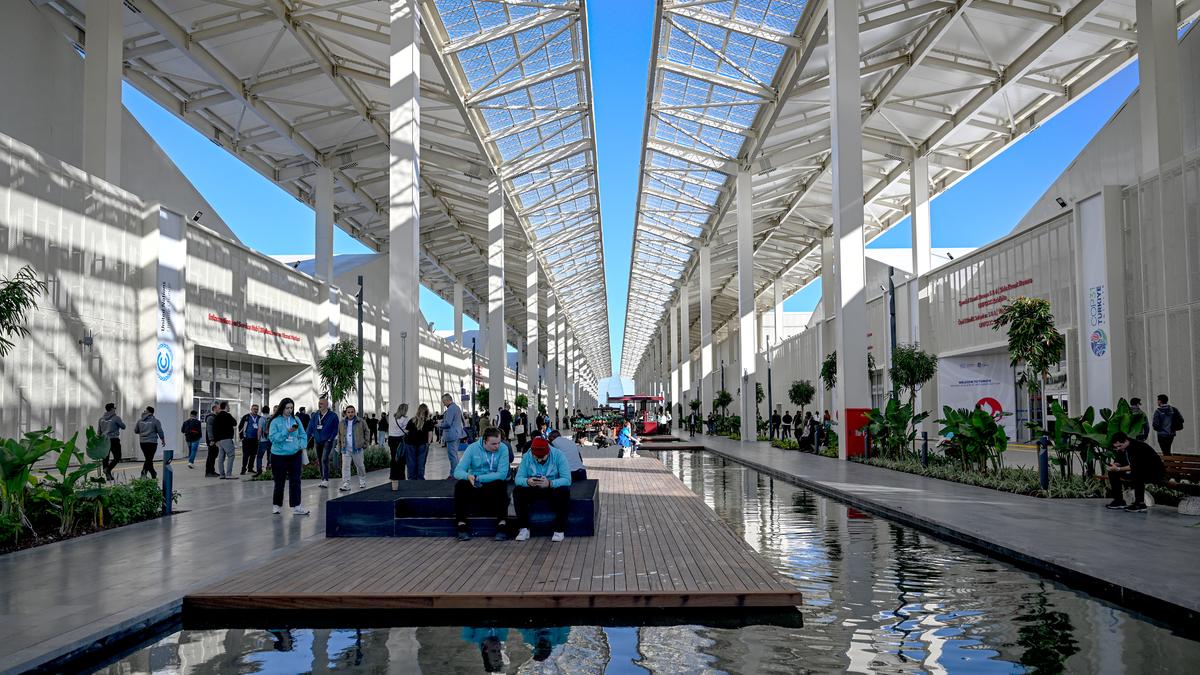
The 31st session of the Conference of the Parties (COP31) to the United Nations Framework Convention on Climate Change (UNFCCC) has begun in Antalya, Türkiye, and will continue until November 20. This summit focuses on the crucial task of transforming national climate pledges into actionable measures to significantly reduce emissions and bolster support for vulnerable nations.
The Turkish presidency has outlined ambitious targets, including elevating the electricity share in final energy demand from 20% to 35% by 2035 and decreasing energy intensity in the building sector by at least 25%. Additionally, initiatives around zero waste, methane reduction, food security, and green industrialisation will be a priority during these discussions.
A vital evaluation point for COP31 is whether nations can reconcile their individual climate plans with the overarching goals of the Paris Agreement. A synthesis report published by the UNFCCC Secretariat on October 27 highlighted that 127 new nationally determined contributions (NDCs) were submitted from January 2024 to August 2026. These contributions, covering approximately 71% of global greenhouse gas emissions from 2019, aim to steer the world towards reducing emissions.
Despite this progress, the report indicates that projected emissions remain stubbornly above the target needed to limit global warming to 1.5 degrees Celsius. Current pledges suggest only a 6% reduction by 2035 compared to 2019 levels, and even with full implementation, a mere 9% reduction is anticipated. As a result, COP31 faces the imperative to bridge the gap between high ambition and real-world action.
Another critical focus will be on climate finance and adaptation strategies. At COP30 in Belém, Brazil, countries agreed upon the necessity to at least triple adaptation finance by 2035. The aim is to mobilise at least $1.3 trillion annually for climate initiatives. However, the adaptation finance gap appears daunting. The UN Environment Programme’s Adaptation Gap Report 2026, released on November 4, estimates that developing nations will need $305 billion per year for adaptation by 2035. In contrast, international public finance for adaptation from developed to developing countries has fluctuated between $28.2 billion and $31.7 billion in 2024, which tells a stark tale of insufficient funding.
As COP31 progresses, delegates face mounting pressure to increase access to climate finance, aid developing nations, and secure equitable transitions for affected communities. With the Paris Agreement's tenth anniversary approaching, the conference represents a critical moment to assess whether global cooperation can materialise into genuine progress in addressing climate change.
Severe weather events, including droughts, floods, and heatwaves, have intensified the urgency of these discussions. Countries are grappling with extreme environmental impacts, straining resources and prompting calls for decisive action. Notably, catastrophic flooding in Nepal and Tibet resulted in over 1,400 fatalities and countless missing, further underscoring the climate risks faced worldwide.
The path forward includes several systemic challenges, such as ongoing geopolitical conflicts and economic difficulties, which may hinder comprehensive agreements. Experts suggest that while COP meetings are essential, significant change may also emerge through smaller coalitions of nations and sectors working collaboratively towards climate objectives.
As COP31 unfolds, the spotlight remains firmly on the ability of nations to convert their pledges into meaningful actions, reflecting the urgent need for a unified response to climate change.
Images: An aerial view of Antalya, Türkiye, illustrating the backdrop of COP31. Severe weather-related impacts highlighting the need for robust climate action worldwide.

Aramco Tower Damaged in Latest Houthi Strikes in Riyadh
Pope Leo XIV Completes Historic Visit to Argentina Amid Tensions

Krakow Shooting: Investigation Reveals Ties to Far-Right Ideology

Santiago Peña Ousted as Paraguay's President Amid Banking Scandal