Congress Party Accused of Paying Influencers to Discredit AI Summit


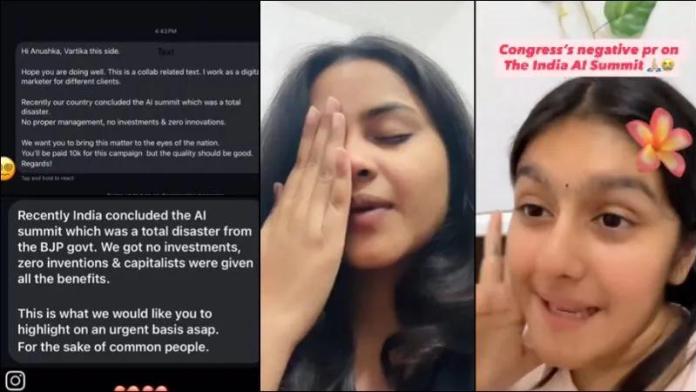
The Congress party in India is facing mounting accusations over what is being described as a calculated public relations strategy to undermine the AI Summit. Following a controversial 'shirtless protest' by the Youth Congress at the event, several social media influencers have disclosed that they were approached by the party's PR team with offers of significant financial compensation to produce adverse content about the Summit. Reports allege that the amounts offered to influencers ranged from ₹10,000 to ₹40,000. Influencers who claim to have received these offers stated that the aim was not genuine criticism of the event but rather to damage India's international reputation for political advantage.
Screenshots of messages circulating on social media suggested that influencers were encouraged to create narratives portraying the investments associated with the AI Summit as benefiting only select business magnates, particularly Mukesh Ambani and Gautam Adani. The intention, as outlined by some influencers, was to divert attention from the broader vision of the Summit and frame it as merely a profit-making venture for a few wealthy individuals.
One influencer, who chose to reject the offer, shared her experiences online, expressing her dismay at being solicited to contribute to what she labelled as 'paid propaganda'. She stated, 'The AI Summit does not belong to any political party; it belongs to the nation.' This sentiment was echoed by numerous influencers who refused to participate in what they described as a campaign of misinformation.
Despite the Congress party's alleged attempts to orchestrate negative portrayals of the AI Summit, the response from influencers has sparked a different conversation around the ethics of political tactics in India. Many influencers have openly criticized the Congress party, stating that if more research had been undertaken, they would have recognised that the Summit is pivotal for India’s standing in future technologies and not simply a mechanism for corporate gain.
The fallout from this emerging controversy raises critical questions about the limits and responsibilities of political parties in the age of social media, particularly concerning the use of financial incentives to sway public opinion or distort reality. As the situation develops, it will be interesting to see how these accusations impact public perception and any potential electoral consequences for the Congress party.
Kerala Initiates Probe into 2006 Suicide Case Involving CEC

Extradition of Sheikh Hasina Feasible, Says Indian High Commissioner

Punjabi Makeup Artist Mad Sandhu Shot Dead in Amritsar
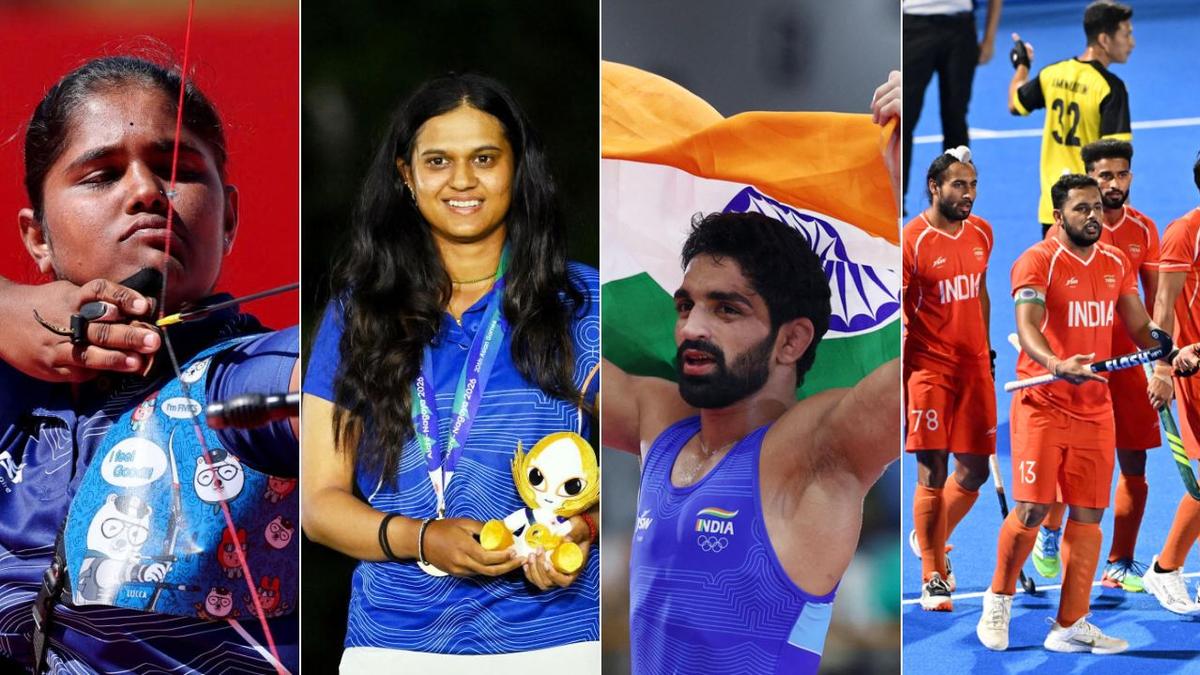
India Achieves Fourth Place at Asian Games 2026 Through Late Success