Concerns Rise Over Unexplained Fall in India's GDP Figures



The reliability of India's quarterly GDP growth figures has come under scrutiny following substantial downward adjustments in the estimates for the first quarter of the financial year 2025-26. Recent data released for the 2026-27 fiscal period has drawn criticism, particularly regarding a reported decline in GDP of Rs 6 lakh crore.
The Union Ministry of Statistics and Programme Implementation (MoSPI) has sought to clarify the situation. The ministry attributes the revisions to two primary factors: a change in the base year and the adoption of a double deflation methodology. Under the previous base year of 2011-12, the nominal GDP for the first quarter was recorded at Rs 86.05 lakh crore. This figure has now been revised down to Rs 80 lakh crore in the updated series based on the 2022-23 base year. The adjustment reflects improvements in data sources and methodologies, as well as the incorporation of updated indicators.
MoSPI officials have emphasised that GDP figures derived from different base years should not be compared. Revisions have also affected nominal GDP estimates for the previous three financial years—2022, 2023, and 2024—leading to reductions of 2.9%, 3.8%, and 3.8% respectively, according to the new base year.
Despite this, the 7% reduction for the first quarter of 2025-26 stands out as especially significant. Had the revision pattern mirrored that of the previous three years, analysts believe the real growth in April to June 2026-27 would have been about 5%.
Concerns are likely to resurface with the upcoming second-quarter results planned for release in November, given that last year's estimates for the July to September 2025-26 period were revised down by 6.1% under the new series.
The declining GDP figures highlight the impacts of fluctuating product prices on measuring true production costs over time. Real values must be estimated by adjusting nominal figures with relevant price indices—a process known as deflation. The MoSPI's double deflation methodology entails adjusting both output and input values separately, allowing for a better reflection of economic conditions.
For the first quarter of 2026-27, the Wholesale Price Index inflation in the manufacturing sector was recorded at 7.3%. Notably, real growth in Gross Value Added (GVA) was 9.2%, exceeding the 7.7% nominal growth, a trend arising from the application of the double deflation model. This methodology assumes that the prices of inputs are rising faster than those of outputs.
The MoSPI's use of the Input Producer Price Index and the Output Price Index is generally accepted. However, the trial Input Price Index has only been released for March 2026 and its quality remains uncertain as the details are not publicly available. Feedback on this experimental index was solicited from the public in August 2026, yet its specifics remain undisclosed.
To mitigate scepticism regarding GDP calculations, government officials have been urged to share comprehensive data from the experimental Input Producer Price Index currently in use for double deflation. Clarity on the methodology employed by MoSPI could potentially address misconceptions about GDP growth data.
In conclusion, while MoSPI has reiterated that real GDP numbers according to the 2022-23 base year cannot be compared with those from the previous 2011-12 series, the significant revisions necessitate further explanation to ensure transparency and restore confidence in reported economic indicators.

Kerala Initiates Probe into 2006 Suicide Case Involving CEC

Extradition of Sheikh Hasina Feasible, Says Indian High Commissioner

Punjabi Makeup Artist Mad Sandhu Shot Dead in Amritsar
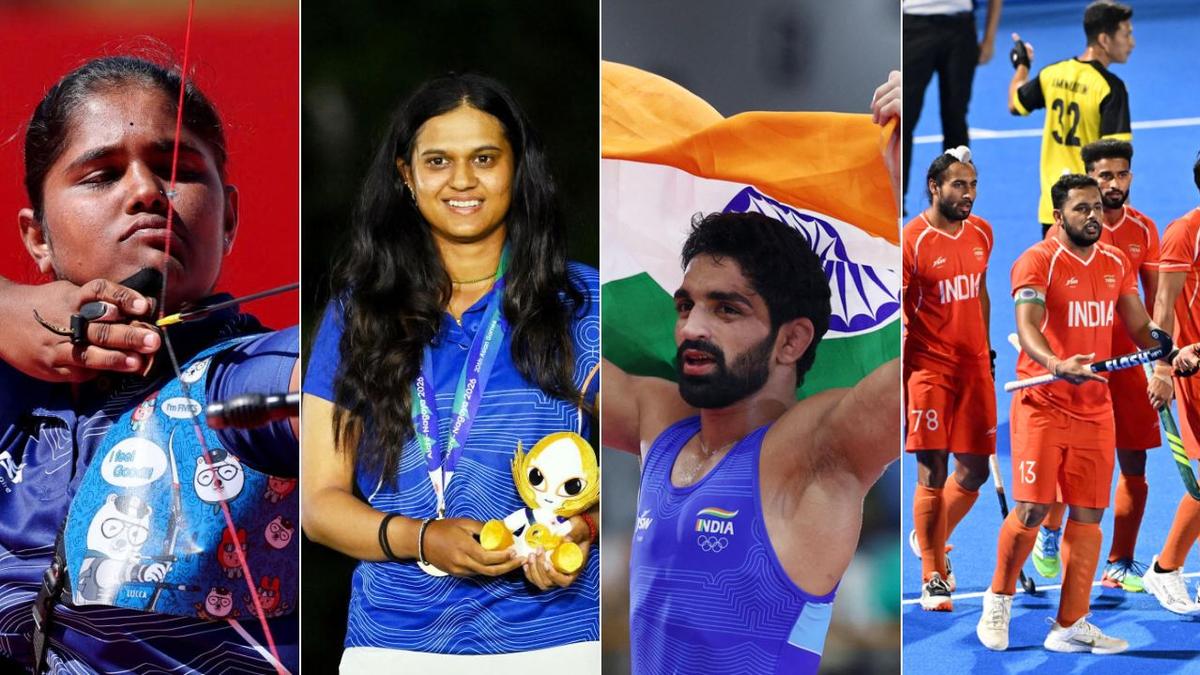
India Achieves Fourth Place at Asian Games 2026 Through Late Success