China's Wang Yi Claims Mediation Role in India-Pakistan Tensions


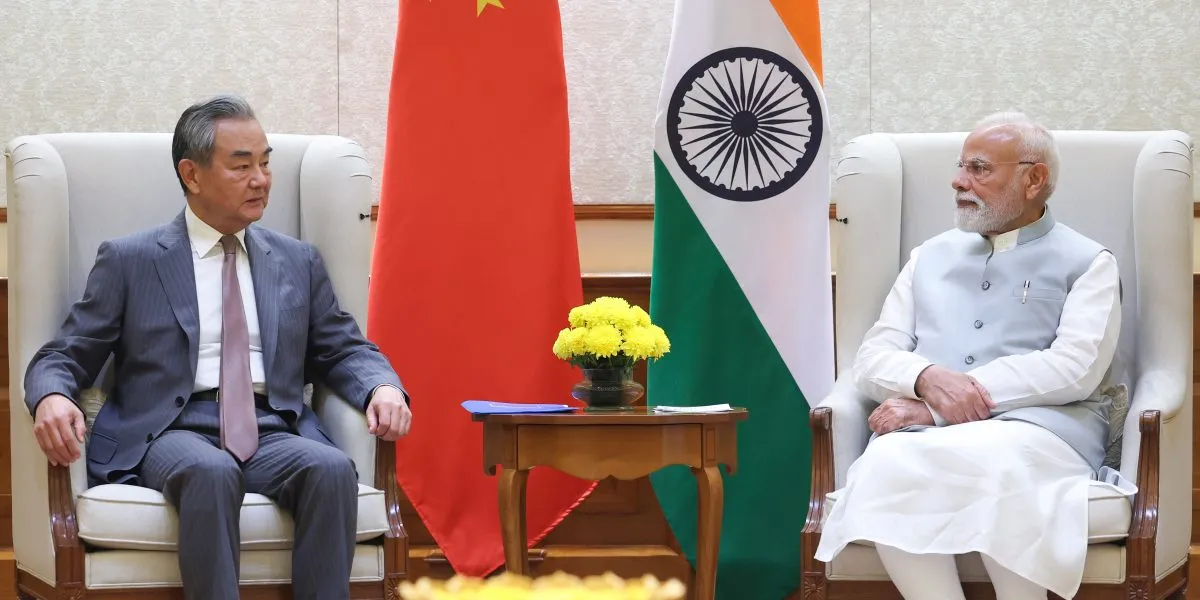
New Delhi: In a keynote address delivered on December 30, 2025, at the Symposium on the International Situation and China's Foreign Relations, Chinese Foreign Minister Wang Yi claimed that China had played a mediating role in the tensions between India and Pakistan. This statement has significant implications for India's diplomatic posture and cannot be overlooked.
Wang Yi, who holds a prominent position as a member of the Political Bureau of the Communist Party of China Central Committee and Director of the Office of the Central Commission for Foreign Affairs, made this assertion during a comprehensive review of China's diplomatic achievements for 2025. By positioning China as a key mediator in South Asia, Wang Yi's remarks equate India with Pakistan, which raises questions about India's sovereignty in regional affairs.
Strategic Messaging
The carefully crafted speech reflects a strategic intent that India must address. Delivered as part of an annual high-profile address marking the end of the year, Wang Yi's comments were clearly scripted under the guidance of the Communist Party of China Central Committee. The speech positioned India-Pakistan tensions alongside other global conflicts, such as those in Myanmar and the Middle East, as successes of China's “objective and just stance.” This formal enumeration serves to embed China's narrative within international discussions, potentially shaping global perceptions and pressuring India to respond.
By placing India and Pakistan in a similar context of tension, China diminishes India's strategic advantages and treats both nations as peers requiring Chinese intervention. This undermines India's longstanding position that issues with Pakistan, particularly those related to terrorism, necessitate unilateral action rather than third-party mediation. The Modi government's insistence on resolving conflicts through direct military communication is at risk of being overshadowed by this assertion of parity.
China's Assertion of Regional Dominance
The speech further frames China as a necessary stabiliser in South Asia, suggesting that India is merely one participant in a broader regional framework that requires Chinese oversight. This portrayal challenges India's aspirations for regional leadership. Wang Yi emphasised China's role as a “pillar of the region,” hosting leaders from various nations, including India, and advancing initiatives through organisations such as the Shanghai Cooperation Organisation (SCO) and the Association of Southeast Asian Nations (ASEAN).
Wang's remarks follow previous statements by Pakistan's Deputy Prime Minister, who praised China for its “significant contributions” in mediating between India and Pakistan. Such claims reinforce China's self-image as a mature power capable of managing regional conflicts while eroding India's credibility as a deterrent force.
Geopolitical Implications
This assertion of mediating capability strengthens China's alliance with Pakistan and signals to other Global South partners that China is an effective arbitrator in international disputes. As tensions between India and China continue to simmer, particularly along the disputed border regions, India's government must closely monitor these developments. The narrative presented by Wang Yi aligns with Chinese President Xi Jinping’s vision of a “community with a shared future,” positioning the India-Pakistan situation as a litmus test for Chinese diplomacy.
The implications of Wang Yi's statements are significant. Ignoring them could suggest tacit endorsement, especially in an environment where discussions around a potential Sino-American G2 are gaining traction. This portrayal risks framing India as dependent on external mediation, a narrative that could undermine India's diplomatic standing.
Political Reactions
In the wake of Wang Yi's comments, Indian political parties have voiced their concerns. The Congress party, through leader Jairam Ramesh, has demanded clarity on China's role in recent military operations, particularly Operation Sindoor, which took place in May 2025 and involved direct military confrontations between India and Pakistan.
Ramesh pointed out that President Donald Trump had previously claimed to have intervened in the situation, highlighting the inconsistency in narratives regarding external mediation. He expressed that the assertion of Chinese mediation not only contradicts the official position of the Indian government but also poses a serious threat to national security. He stated, "China's claims seem to make a joke of our national security."
The Congress party further emphasised that India’s re-engagement with China appears to be occurring on Chinese terms, leading to a perceived weakening of India's negotiating power. The party's leaders have called for greater transparency from the government regarding the implications of China's involvement in regional conflicts.
Conclusion
The assertion made by Wang Yi during his recent speech has significant ramifications for India’s diplomatic relations and its standing in South Asia. As China increasingly positions itself as a mediator between India and Pakistan, the Indian government faces pressure to publicly counter these claims to maintain its sovereignty and regional influence. The narrative presented by China, if left unchallenged, could reshape regional dynamics and impact India's future diplomatic engagements.
Kerala Initiates Probe into 2006 Suicide Case Involving CEC
Extradition of Sheikh Hasina Feasible, Says Indian High Commissioner

Punjabi Makeup Artist Mad Sandhu Shot Dead in Amritsar
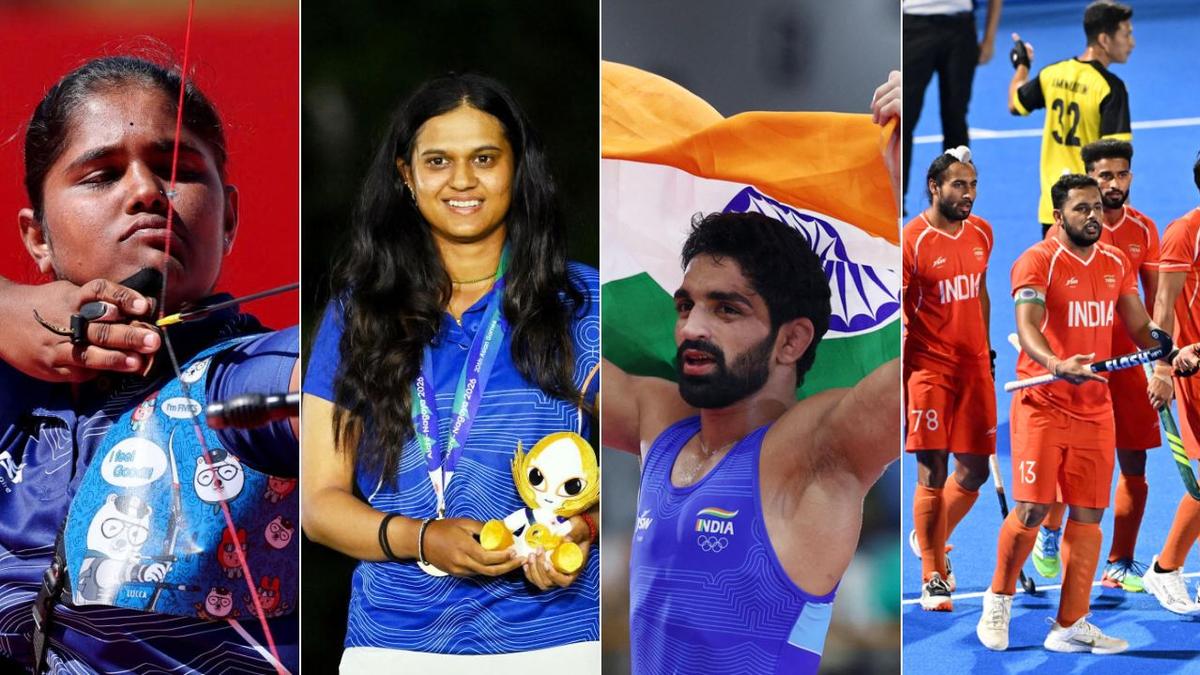
India Achieves Fourth Place at Asian Games 2026 Through Late Success