BJP Eyes Support from Opposition for Women's Reservation Amendment


The Bharatiya Janata Party (BJP)-led National Democratic Alliance (NDA) is making strategic calculations in the Lok Sabha to secure essential support for a constitutional amendment related to women's reservation linked to delimitation. This amendment could potentially gather significant votes from various factions within the opposition.
If the NDA moves forward with the proposal, it is estimated that the alliance could count on 319 votes, bolstered by 20 rebels from the Trinamool Congress (TMC) and one member from the Shiromani Akali Dal. Should the Dravida Munnetra Kazhagam (DMK), with its 22 MPs, join in, alongside the eight from the Nationalist Congress Party led by Sharad Pawar and four from the YSR Congress Party, the tally might rise to 353.
The Lok Sabha consists of 543 seats, with three currently unoccupied. For the proposition to pass, the government would require 360 votes if all 539 sitting MPs, excluding the Speaker, participate in the vote. Notably, if several opposition members abstain from voting, the prospects for the government's success improve. Under Article 368 of the Indian Constitution, a constitutional amendment must receive approval from a majority of the total membership of each House and at least two-thirds of those present and voting. Therefore, with a support base of 353, the government could meet the two-thirds requirement in the Lok Sabha if the total votes cast do not exceed 529.
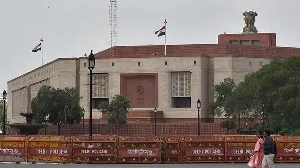
The urgency of these calculations follows a statement from Parliamentary Affairs Minister Kiren Rijiju, announcing the reconvening of the Lok Sabha on November 30 and the Rajya Sabha on December 2. These sessions aim to address vital government business, with potential closing on December 3. This announcement fuels speculation regarding the revival of legislative efforts concerning delimitation and women's reservation.
As it stands, the NDA holds 298 MPs, augmented by Harsimrat Kaur Badal of the Shiromani Akali Dal who recently reinstated her party's alliance with the BJP ahead of the Punjab assembly elections in 2027. The BJP contributes 240 seats, followed by the Telugu Desam Party with 16, the Eknath Shinde-led Shiv Sena with 13, and the Janata Dal-United with 12.
Opposition unity has become increasingly fragmented, with the INDIA alliance comprising 180 MPs, including 98 from the Congress, 37 from the Samajwadi Party, and eight each from the NCP and a faction of the TMC led by Mamata Banerjee. Both the DMK and the Aam Aadmi Party, holding three MPs, have withdrawn from the opposition alliance. This withdrawal followed the Congress's partnership with the Tamil Nadu government led by the Dravida Munnetra Kazhagam earlier this year.
In an effort to secure the support of the DMK, the BJP has assured the party that Tamil Nadu’s allocation of Lok Sabha seats would remain unchanged post-delimitation. NCP-SP leader Supriya Sule has suggested that her party might back the bill if it guarantees a uniform 50 per cent increase in Lok Sabha seats across all states.
Earlier this year, in April, a previous proposal involving the Constitution (131st Amendment) Bill was brought to vote in the Lok Sabha, which met with a majority, receiving 298 votes in favour and 230 against. With a total of 528 votes cast, the amendment fell short by 54 votes, after aiming to expand the Lok Sabha and implement one-third reservation for women through a new delimitation exercise. Parliament passed the quota in 2023, tying the implementation to the results of the first census conducted after the law's enactment.
Tamil Nadu Court Hears Petitions on Karthigai Deepam Lighting Issue
Indian Parliament to Reconvene for Essential Business in December
Bihar Chief Minister Highlights Constitution's Impact on Democracy
Delhi High Court Upholds Corruption Charges Against Lalu Prasad Yadav