Andy Burnham Promises Economic Boost from New EU Agreement


UK Prime Minister Andy Burnham is set to address Parliament on Monday regarding a new agreement with the European Union, describing it as 'landmark' and suggesting it could significantly improve conditions in the country over the next decade. Burnham intends to convey that this deal presents a 'very real prospect' of a brighter future compared to the last ten years, labelling it as a choice between maintaining a 'broken status quo' or embracing a change for the better.
The Prime Minister has referred to the agreement as 'the single biggest growth measure to be delivered in this Parliament', stating it could potentially contribute an additional £17 billion to the UK economy. Burnham will highlight various aspects of the deal, including provisions for British food exports, emissions trading, and a scheme aimed at youth exchange between the UK and EU.
Despite Burnham's optimism, the announcement has attracted criticism from numerous political figures. Former Prime Minister Theresa May has urged him to move beyond discussions of Brexit, while Conservative Party leader Kemi Badenoch has described the deal as unfair to UK farmers, who will be required to adhere to EU regulations.
Badenoch has also expressed concerns over the Treasury's economic projections, which indicate the deal may only add 0.5% to the country’s gross domestic product—figures she suggests are not credible.
Reform UK leader Nigel Farage voiced strong opposition, characterising the deal as a 'victory for the EU' and an affront to the principles of Brexit, asserting that previous leaders have betrayed the electorate.
Burnham insists that opinion polls indicate substantial public support for closer ties with the EU, claiming that this agreement delivers on that desire. He has also stated that both sides will engage in discussions over the coming months to explore options for further strengthening the UK's relationship with the EU.
The deal is poised to remove most checks on British food exports, in exchange for the UK adhering to several EU regulations starting in 2028. It introduces a youth mobility scheme, allowing a mutual exchange of up to 100,000 young individuals over three years.
However, apprehension over the implications of tuition fees remains unresolved, as discussions between the two entities are ongoing. Ed Miliband, the UK's Foreign Secretary, clarified that the agreements would take effect regardless of the outcome regarding tuition fees for EU students studying in the UK. While he expressed confidence that a resolution would be reached, he emphasised that the focus remains on the established agreements concerning food exports and youth mobility.
Critics argue that the economic benefits of this deal may be overstated, as former leaders and analysts call for a more comprehensive overhaul of UK-EU relations. Suggestions for future negotiations range from adapting a Swiss-style agreement to altering existing regulatory frameworks.

International Court Rules Myanmar Committed Genocide Against Rohingya
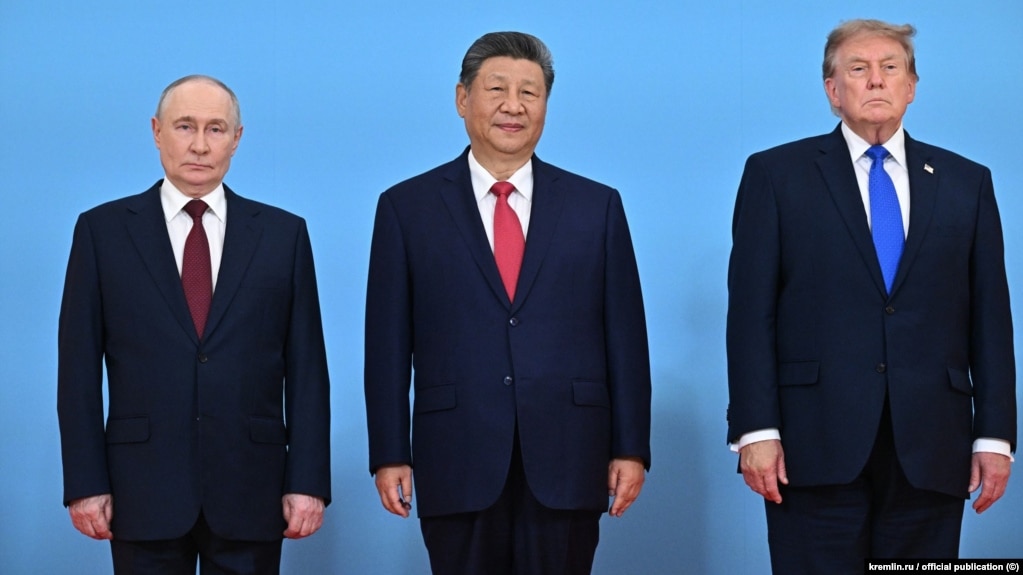
India Monitors Upcoming Trilateral Summit Involving World Leaders
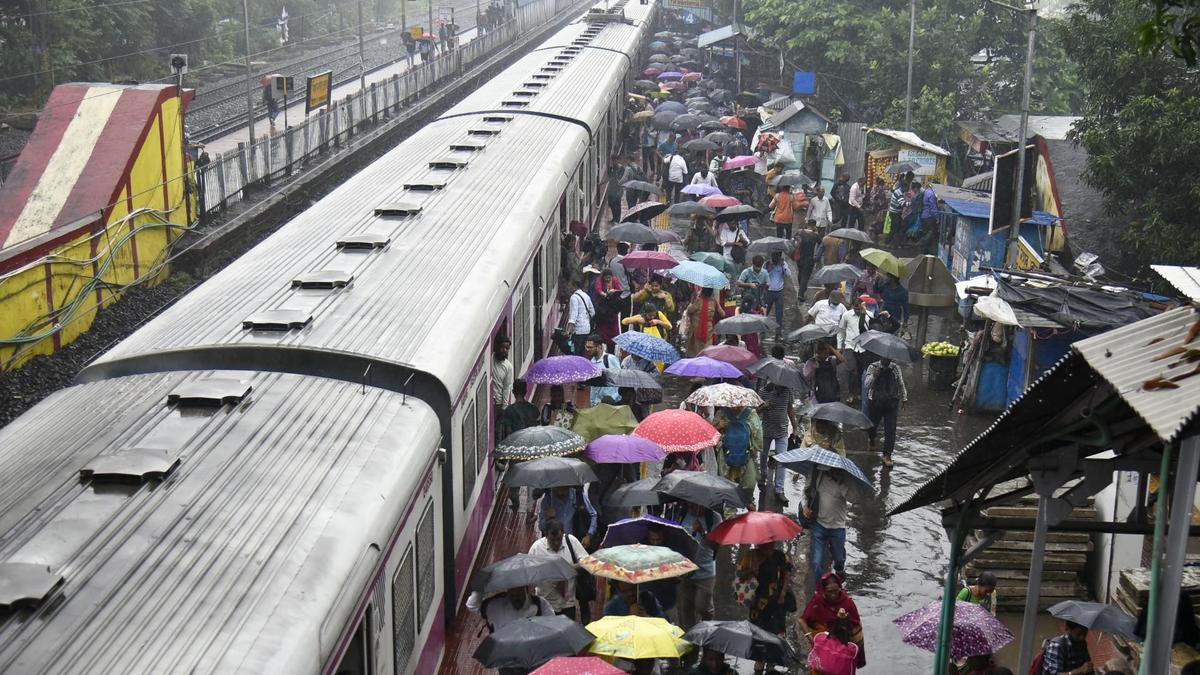
Severe Cyclone Akvan Affects Train Services in Odisha and Andhra Pradesh

Strong 6.8 Magnitude Earthquake Hits Central Peru