Akhilesh Yadav Plans Visit to Ram Temple Amid Political Strategy



Akhilesh Yadav, President of the Samajwadi Party (SP), has indicated plans to visit the Ram Temple in Ayodhya, a decision seen as part of a broader electoral strategy ahead of the 2027 Uttar Pradesh Assembly elections. Following a significant absence from religious sites associated with Hindu sentiments, Yadav's announcement has drawn attention and posed questions regarding his approach to Hindutva.
His upcoming visit is scheduled for December 12, coinciding with the inauguration of the Kedareshwar Temple, a new structure resembling the Kedarnath shrine and situated near his hometown of Saifai, approximately 20 kilometres away. The shift in Yadav's public engagement signals an attempt to connect with the predominantly Hindu electorate at a time when the Bharatiya Janata Party (BJP) has been successfully capitalising on religious sentiments since 2014.
Political analysts suggest that this change could be motivated by the need to counter perceptions of the Samajwadi Party as indifferent to Hindu concerns. Anupam K Mishra, a political observer, commented, "Akhilesh's intentions appear aimed at winning over the Hindu population before crucial elections."
Conversely, the decision has not come without backlash. Uttar Pradesh Chief Minister Yogi Adityanath has publicly demanded an apology from Akhilesh Yadav concerning the 1990 incident involving police fire on kar sevaks in Ayodhya, a contentious moment in Indian political history. Over 400 religious leaders from Ayodhya have also voiced opposition to Yadav's planning visit, demanding he take responsibility for past events.
In recent years, amid political shifts and electoral defeats, Yadav has made efforts to broaden his public persona through various religious engagements. This includes his participation in temple inaugurations and rituals, as well as outreach initiatives in Muslim communities, marking a calculated balancing act to ensure both Hindu and Muslim voters see representation in his leadership. Yadav's presence at Iftar events during Ramadan and attention towards non-Hindu festivals illustrate a strategy aimed at maintaining support across diverse voter demographics.
The timing of Yadav's visit to the Ram Temple could reflect an urgent response to prior criticisms of the Samajwadi Party being labelled as anti-Hindu. Observers believe this recent emphasis on Hindu iconography and ritual is intended not only to gather electoral strength but also to align his leadership more closely with popular socio-religious sentiments in Uttar Pradesh.
Historically, the state has been a significant battleground for parties navigating the complexities of secularism and religious identity, and Yadav’s evolving approach marks a significant moment of transition for the Samajwadi Party as it seeks to reclaim its influence in forthcoming elections.
India's Strategic Engagement with ASEAN: A Key Partnership

Indian Supreme Court Suspends Life Sentences of Bilkis Bano Case Convicts

Clashes Erupt in Kulgam, South Kashmir Amid Ongoing Tensions
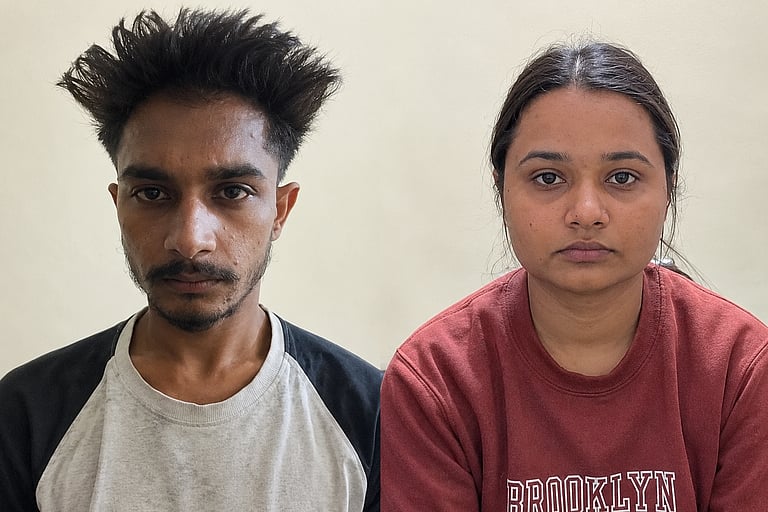
Two Arrested in Rajasthan Railway Track Explosion Investigation