Afghan-Pakistan Tensions Rise After University Attack


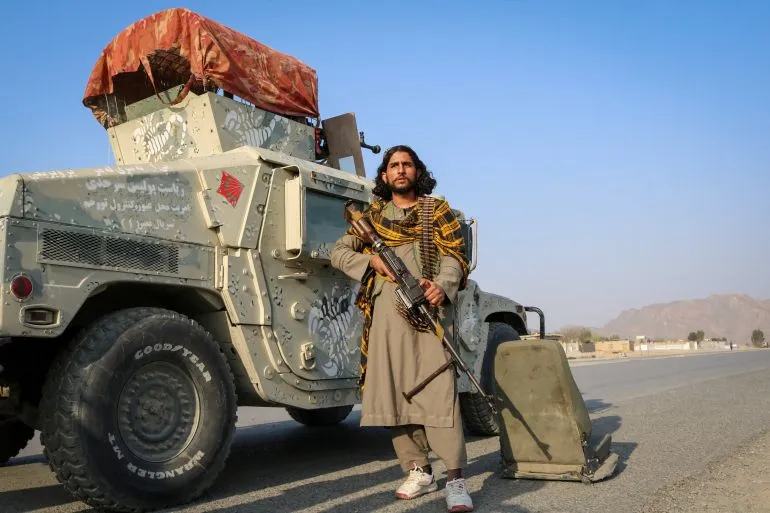
Tensions have escalated between Afghanistan and Pakistan following an attack in Kunar province, where Afghan officials report that mortars and missiles from Pakistan struck a university and nearby residential areas. The incident occurred on Monday and resulted in the deaths of at least seven individuals, with more than 80 others sustaining injuries, including around 30 students and professors from Sayed Jamaluddin Afghani University. The attack has been labelled as 'unforgivable war crimes' by Hamdullah Fitrat, the deputy spokesperson for the Taliban. The Pakistani government, however, has categorically denied these claims, stating that no such strike occurred and characterising the allegations as a 'blatant lie.'
Within the context of a ceasefire established between both nations, the reported exchanges of fire along the border heighten concerns about the fragile peace. Officials from both Afghanistan and Pakistan acknowledged that skirmishes continue despite the ceasefire, which had previously been described as positive. Peace talks held earlier in the month in China’s Urumqi city appeared constructive, according to Afghan Foreign Minister Amir Khan Muttaqi; however, the recent escalation casts doubt on the durability of such negotiations.
The Kunar region, a border area, has historically been a site of conflict. Pakistan's Ministry of Information noted that its military operations are based on intelligence and that strikes within Afghan territory have not been ruled out. The tensions come just days after peace talks in which both sides expressed their stances on the degree of responsibility Afghanistan holds regarding the activities of the Tehrik-e-Taliban Pakistan (TTP) — a group Pakistan claims operates from Afghan territory.
Political analysts highlight the limited diplomatic engagement between the two countries, indicating that previous negotiations have often led to continued hostilities. Mehmood Jan Babar, a security and political analyst, stated that until Afghanistan takes written action regarding Pakistan’s concerns, trust will remain elusive. Kabul's perspective on the TTP refutes accusations of providing sanctuary to the group, while Pakistan continues to maintain that a failure to address this concern results in a lack of substantial progress.
The background of this conflict stretches beyond recent events; both nations seem to struggle with ideological differences and a lack of comprehensive understanding of each side's security concerns. Babar noted that the Taliban's internal dynamics complicate their responses to Pakistan’s demands, while Tameem Bahiss, another analyst, underscored the pressing need for more substantive dialogues to overcome these ongoing challenges. The situation is made more precarious by historical instances of violence following failed ceasefire agreements, with suspicions of heightened military activity developing in response to broader regional conflicts.
With both the Afghan Taliban and Pakistani authorities reluctant to concede to external pressures, sustaining a peaceful resolution remains a significant challenge. As diplomatic efforts continue to falter amid rising hostilities, the potential for a broader conflict within the region is increasingly apparent. The implications of these developments may extend beyond immediate border tensions, potentially influencing regional security dynamics in South Asia.
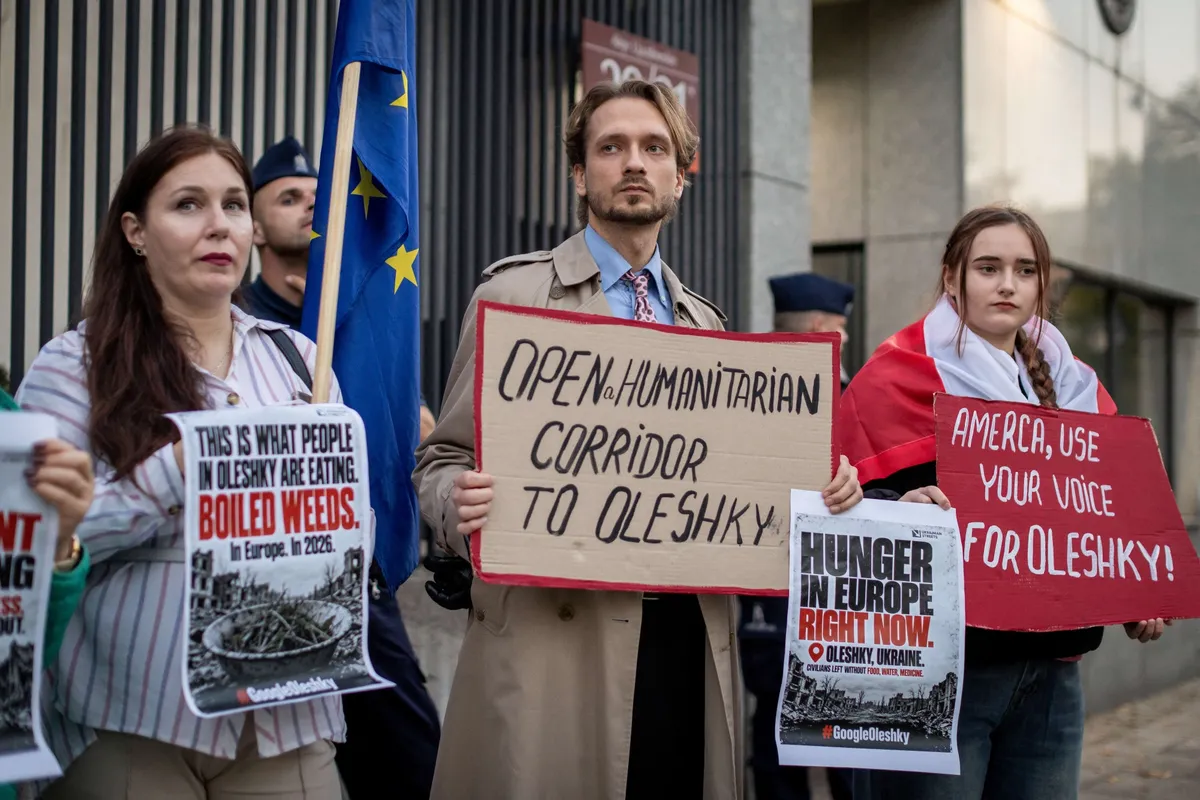
Ceasefire Agreed in Oleshky Amid Ukraine's Humanitarian Crisis
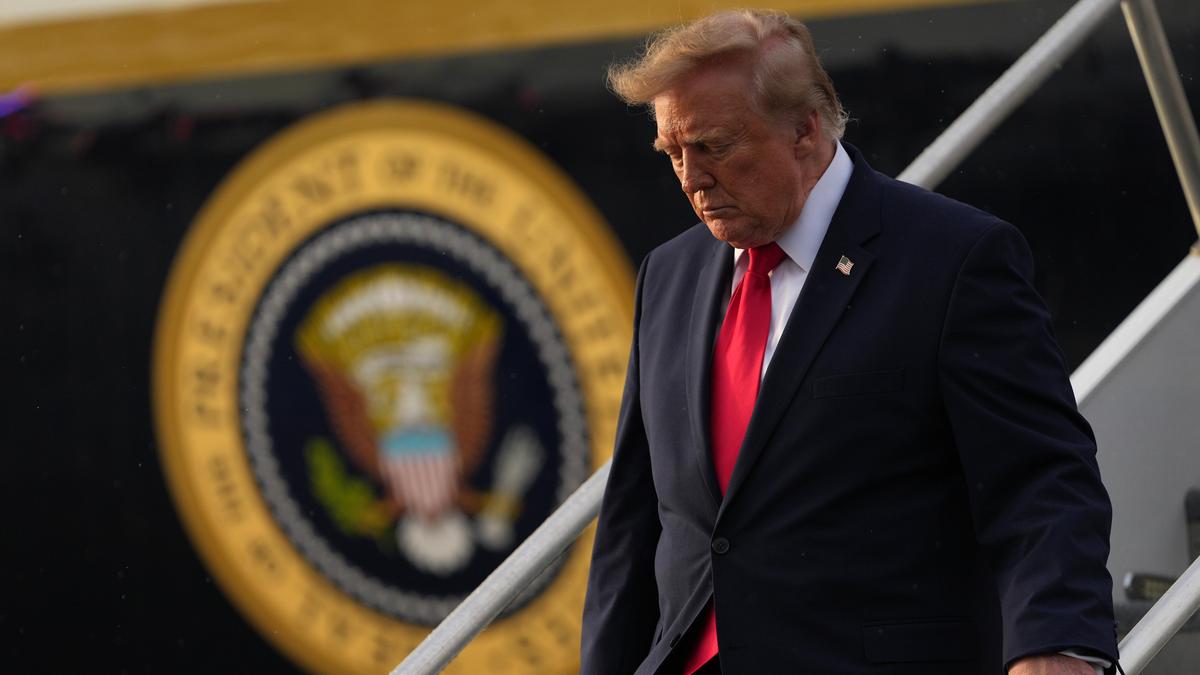
Donald Trump Hints at US Interest in Cuba After Conflict in Iran
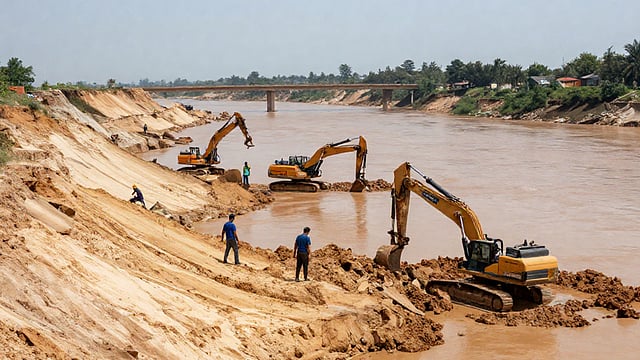
UK Court Rules Against India in RAKIA Investment Dispute
India Raises Concerns Over Chinese Border Patrolling Deviations