Protests Turn Violent in France and Germany Amid Public Discontent


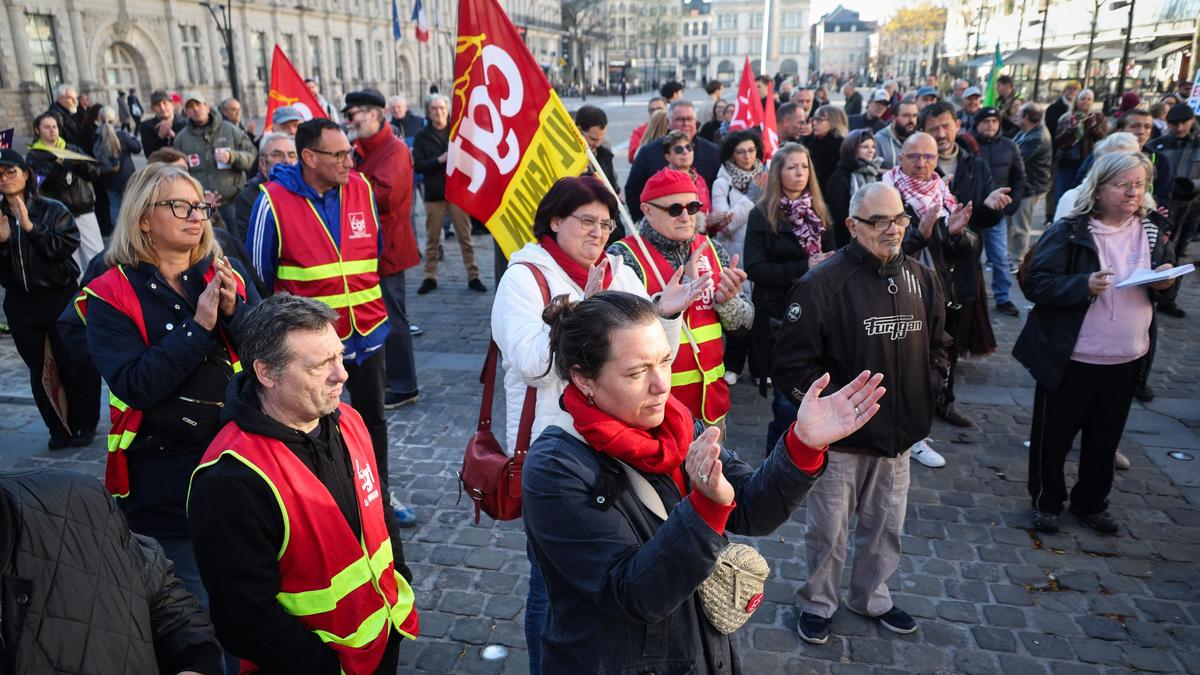
Demonstrations erupted across France and Germany over the Halloween weekend, with protests turning violent in several cities. France experienced its third consecutive weekend of protests, while German demonstrators clashed with authorities. Reports indicate that protesters in France focused on issues related to education, living costs, and general discontent with government policies.
The protests in France initially began last month, driven by high school students concerned about teacher shortages and the state of school facilities. However, the movement has gained momentum, acquiring a broader base of support that includes student unions and various labour groups. On Saturday, The Associated Press reported that around 320,000 people participated in the protests across the country, a decrease from the estimated 550,000 on October 17.
Despite the reduction in numbers, protests started peacefully in Paris, with many marchers embracing the Halloween spirit. Tensions escalated near Porte de Charenton when some protesters began throwing glass bottles and fireworks. In response, police deployed stun grenades and tear gas, leading to over 560 arrests nationwide by Saturday evening.
Various groups participated in the demonstrations, each carrying distinct banners. High school students, climate activists, and individuals asserting their rights regarding living costs were among the many voices heard in the capital. One student, Corentin Cabreux, mentioned his living conditions, stating, "there are damp stains all along the bottom of my walls, whole sections peeling off, cockroaches everywhere, rats."
In Germany, protests escalated significantly when rioters looted shops in Frankfurt during rallies that involved thousands advocating for decreased living expenses and improved educational opportunities. The campaign, organised by the group known as "Gen Z regelt," took place in 34 cities, including Berlin, Munich, and Frankfurt, calling for increased investment in education and opposition to compulsory military service.
On Saturday, violent clashes led to several injuries among police officers as demonstrators threw stones, fireworks, and petrol bombs. Authorities responded with water cannons and pepper spray, attempting to control the unrest. Frankfurt police reported that demonstrators had smashed windows of various shops and called for the public to avoid downtown areas.
Lina Friedrich, a spokesperson for the protesting group, articulated the sentiments of many participants, stating, "We are here today to fight for peace and freedom, rather than for war and coercion."
Meanwhile, elsewhere in Europe, ongoing discontent regarding housing crises spurred demonstrations. In Lisbon, protesters called attention to the significant increases in house prices and rental costs, demanding the government withdraw a controversial rental bill that facilitates evictions. Portuguese Prime Minister Luis Montenegro indicated that while he would not repeal the bill, he was open to potential amendments.
Heavy police presence was reported in The Hague as well, where concerns over anticipated protests were evident. Authorities took precautions in response to online calls for demonstrations, fearing potential chaos similar to events in France and Germany.
As several European nations continue to grapple with issues related to living conditions and economic disparities, this weekend's demonstrations reflect a growing tide of public discontent in the region.

Trump, Putin, and Xi to Meet at APEC Summit in Shenzhen, China
Congress Criticises Adani for Dramatic Cost Cut in Maharashtra Project

Urban Infrastructure Crucial for India's Manufacturing Growth
India Extends Ban on Zakir Naik's Islamic Research Foundation