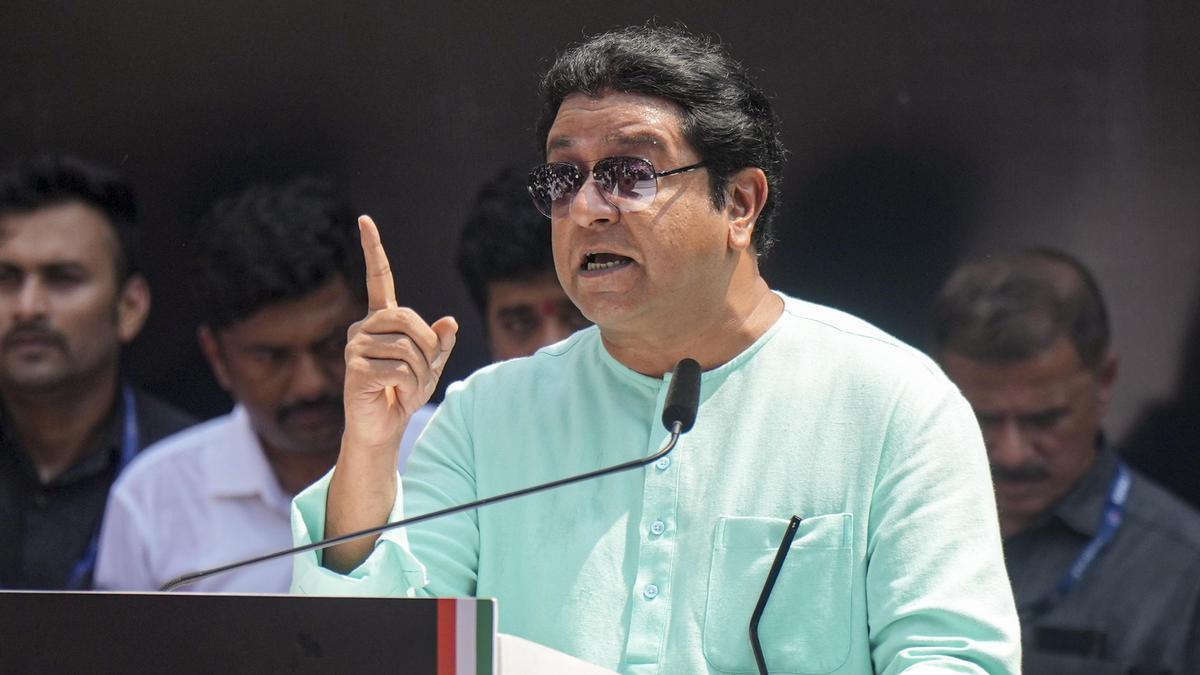
Bangladesh Garment Workers Protest Amid Police Clashes


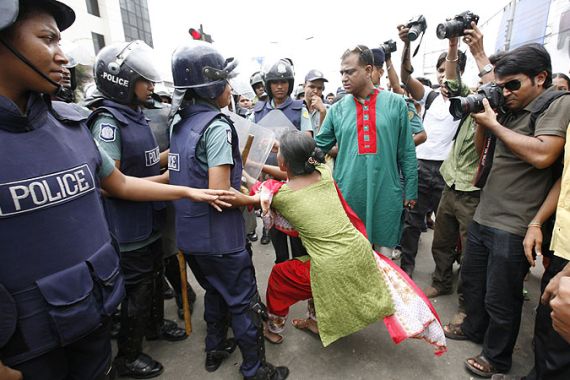
Protests by garment workers in Bangladesh have intensified, leading to clashes with police in Dhaka. The workers rallied against low wages and demanding improved working conditions, defying calls from the government to cease their demonstrations.
The unrest began when workers from various factories gathered outside the National Press Club, expressing their grievances over insufficient pay. Organised by several trade unions, the protests have gained momentum, with thousands participating in the demonstrations.
Witnesses reported that tensions escalated when protesters attempted to march towards key government buildings. Police responded with tear gas and batons to disperse the crowds, resulting in several injuries among both officers and demonstrators.
The Bangladesh Garment Manufacturers and Exporters Association has stated that while they understand the workers' concerns, any increase in wages should be made feasible for manufacturers. In response, union leaders have asserted that the current minimum wage is inadequate to meet rising living costs.
According to a trade union representative, "We will not back down until our demands are met. The situation is dire for many of us, and we cannot return to work under these conditions.”
The garment industry is a crucial part of Bangladesh's economy, generating significant export revenue. However, the protests reflect ongoing issues regarding worker rights and safety standards. As unrest continues, the potential for further escalation remains a concern for both local authorities and international observers.
The Bangladeshi government has called for dialogue to resolve the issues at hand quickly. However, with workers adamant about their demands, the future of the strikes remains uncertain, prompting analysts to suggest that the situation could have wider implications for the industry.
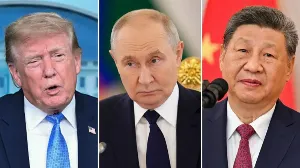
Trump, Putin, and Xi to Meet at APEC Summit in Shenzhen, China
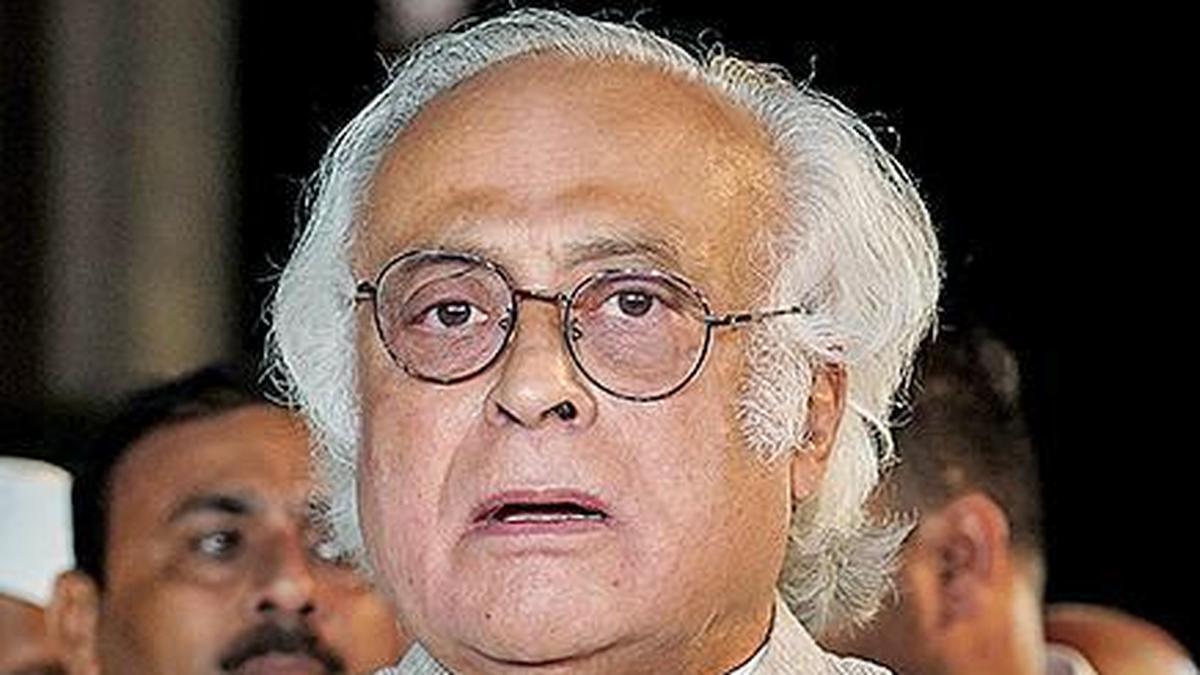
Congress Criticises Adani for Dramatic Cost Cut in Maharashtra Project
Urban Infrastructure Crucial for India's Manufacturing Growth
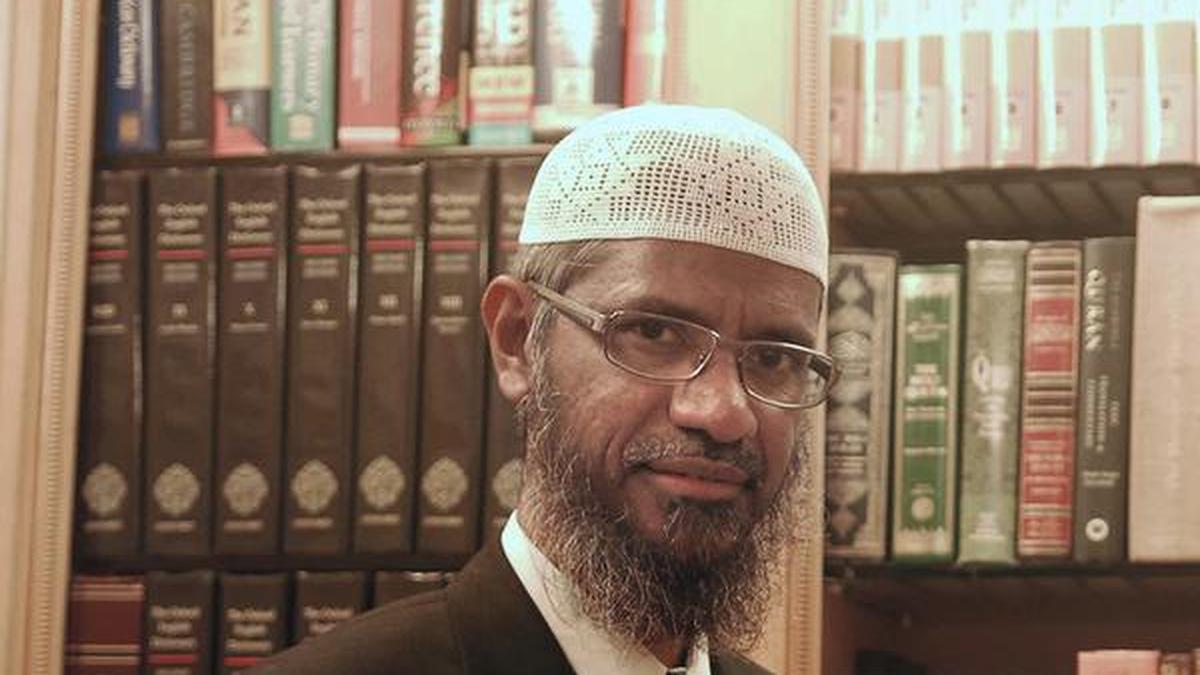
India Extends Ban on Zakir Naik's Islamic Research Foundation