Escalation in Yemen: Saudi Coalition and Houthis Exchange Strikes


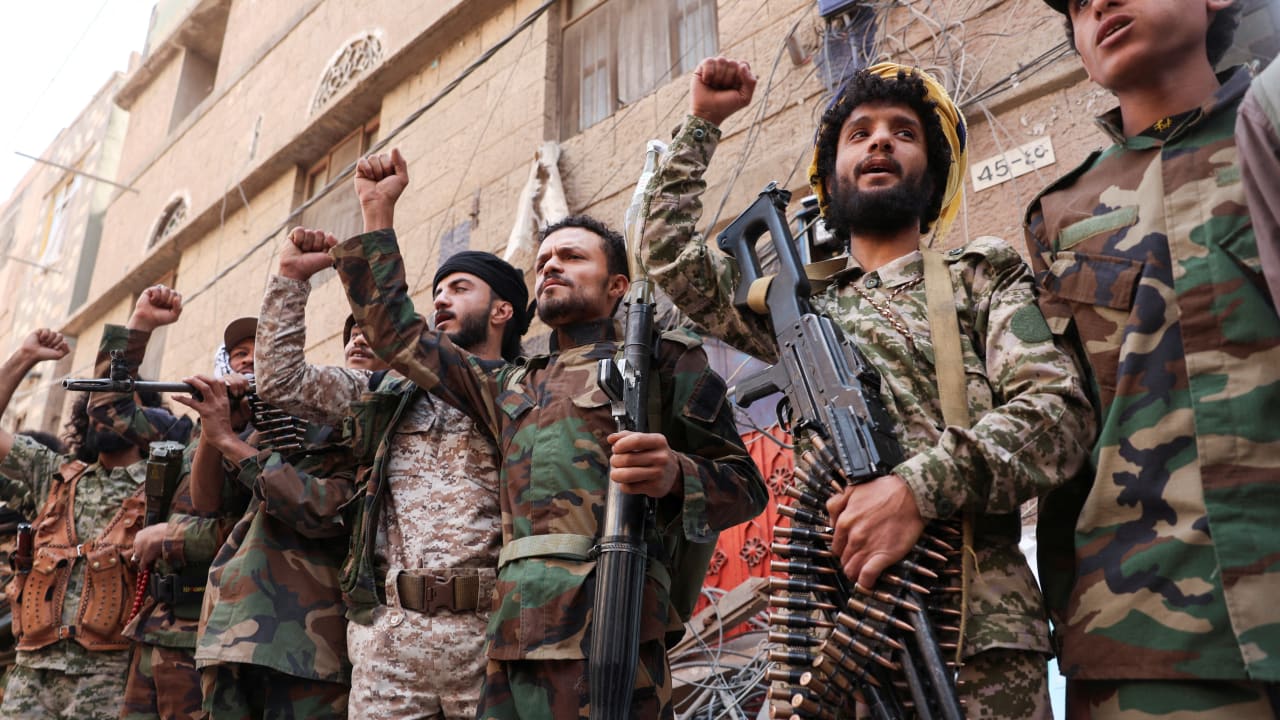
The conflict between Yemen’s Houthi forces and the Saudi-led coalition escalated recently as air strikes and retaliatory actions intensified along the Red Sea coast. A spokesperson for the Houthi political bureau, Mohammed Abdulsalam, met with a Saudi delegation in Oman to discuss advancing regional security. This dialogue comes against a backdrop of ongoing hostilities, including Houthi assaults on Saudi oil facilities following an air campaign targeting the port city of Hodeidah by Riyadh.
In recent developments, Houthi militants have launched attacks on Saudi oil installations located at two ports on the Red Sea. Meanwhile, the United States refrained from conducting air strikes on Iran, reflecting a temporary pause in escalated military engagement. The situation remains tense, with both sides engaged in a series of aggressive exchanges over the past two weeks.
In an unrelated conflict in the occupied West Bank, the Israeli military announced strict lockdown measures in areas including Ramallah and Nablus, leading to difficulties for residents trying to return home. Detainees numbered nearly 100 as the Israeli army announced plans to demolish the home of an individual implicated in a recent attack on a soldier. Reports from political analyst Ori Goldberg indicate that settler violence in the region has heightened tensions, illustrating a complex cycle of retaliatory actions and security measures.
Further complicating the situation, Saudi Arabia maintains significant production capacities, which may mitigate potential supply disruptions caused by attacks on Aramco's facilities. Cormac McGarry, director of maritime security services, noted the ongoing threats in the Red Sea and the Strait of Hormuz but indicated these would not completely halt oil supplies.
The Houthis have historically targeted crucial infrastructure in Saudi Arabia, previously negotiating peace to end years of conflict in Yemen. Recent offences signal a commitment to showcasing military capabilities, including a capacity to conduct counter-offensives after air strikes. With negotiations seemingly stalled, the prospect of continued conflict remains high.
In the meantime, Israeli forces have engaged in military operations against Hezbollah in southern Lebanon, breaching a ceasefire brokered by the United States. Reports confirm artillery strikes were launched on multiple Lebanese villages, contributing to the ongoing volatility in the region.
On the humanitarian front, recent Israeli air strikes in Gaza have resulted in multiple casualties, including the death of police chief Abdul Nasser Mohammed al-Maqadma. The continued violence has left many in a precarious situation, as reports indicate that ceasefire violations since October 2025 have resulted in significant Palestinian casualties.
As the complex geopolitical landscape of the Middle East evolves, the interplay of military action, political dialogue, and humanitarian concerns will remain critical in determining the region's future stability and security.

Kerala Initiates Probe into 2006 Suicide Case Involving CEC

Extradition of Sheikh Hasina Feasible, Says Indian High Commissioner

Punjabi Makeup Artist Mad Sandhu Shot Dead in Amritsar

India Achieves Fourth Place at Asian Games 2026 Through Late Success